
Moreover, a lean identity can look deliberate without an agency-sized budget. However, savings come from limiting scope, not skipping strategy, licensing, or testing. Specifically, build a usable system first, then expand it when your business can support the cost.
This guide covers eight practical steps, plus two areas where cutting corners can create avoidable costs.
First, complete this sentence: “We help [audience] achieve [result] without [common frustration].” Specifically, use it to guide design choices and keep spending focused.
Next, check relevant domain names, social handles, and trademark databases. Availability checks are not legal clearance, so consult a trademark professional before investing in packaging.
Then, collect about 20 visual references and identify three recurring qualities. For example, look for shared traits in typography, color, composition, and imagery.
Next, choose two core colors and one accent. However, check color contrast and test the palette on screens and printed samples.
Moreover, limit your system to one expressive display face and one highly legible text face. Check that both include the characters and weights your brand needs.
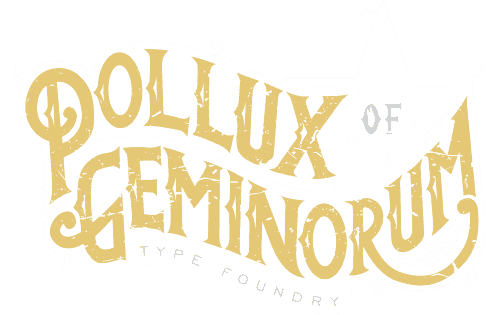
The linked product is presented as Mevistalava on Pollux of Geminorum’s website. Before using it, review the current license for your intended uses, users, and platforms.
Specifically, check whether the license covers logo artwork, web use, app embedding, and commercial work. A paid license does not automatically cover every use, while some free fonts permit commercial use.
Next, start with a wordmark and add a symbol only when it serves a clear purpose. Test the logo at small sizes, in one color, and against light and dark backgrounds.
Then, make templates for a social post, a story, and a cover image. Consistent margins, type sizes, and alignment make these assets feel like one system.
Finally, create a one-page guide with logo spacing, minimum size, color values, typefaces, and examples of incorrect use. Share it with everyone who creates brand materials.

First, confirm that your font license covers the actual work and distribution methods you plan to use. Keep a copy of the license and purchase receipt with your brand files.
Additionally, test contrast and legibility before printing packaging or publishing templates. Correcting a small digital proof costs less than replacing a printed batch.
For guidance on interface design systems, see Adobe Spectrum. For examples of typography in real-world design, browse Fonts In Use.
As an example, a first-year DIY budget of about $285 could include a $15 domain, $120 for design software at $10 monthly, a $100 font-license allowance, and $50 for proofs or templates. These are planning figures, not vendor quotes.
However, actual costs vary by software plan, font license, and printing needs. Check current prices and license terms before committing. This estimate excludes your time, professional design work, and production runs.
For example, the sample first-year budget above totals about $285 before labor and production. Your total may be lower if you use free tools, or higher if your license or printing needs cost more.
Yes, if the font’s license permits your intended commercial use. Specifically, read the license rather than relying on the word “free,” and keep a copy of its terms.
Not necessarily. A focused DIY system can suit an early-stage business, but a designer can help when you need custom lettering, complex applications, or a broader identity system.